
What’s it really like to work as an engineer in Japan? An honest account from a Vietnamese engineer in his third year in Japan
- 2026.04.20
- Recruitment and Interviews
- Utilizing AsianTech.Link
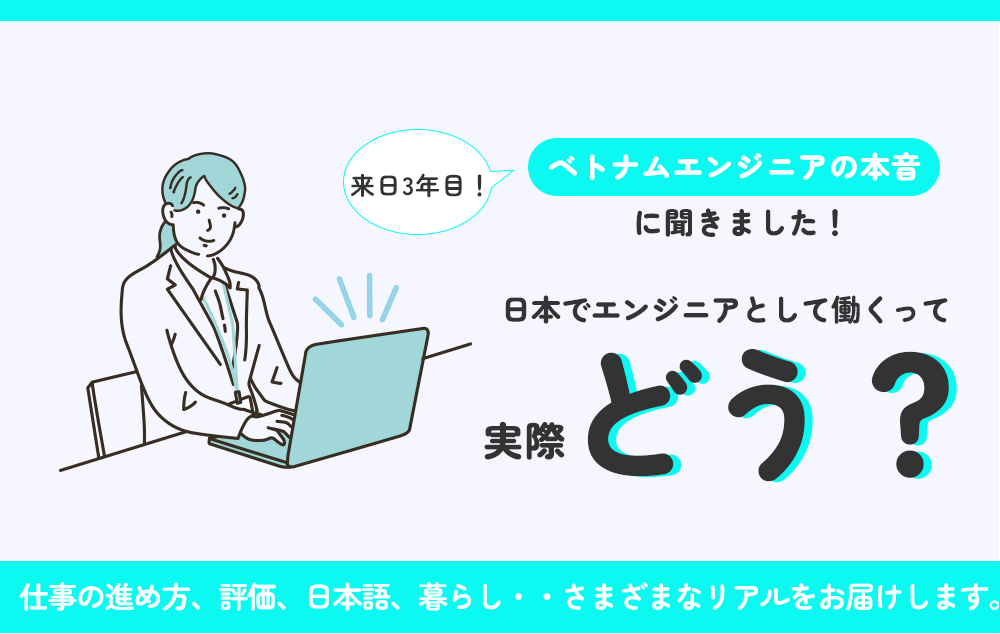
My hopes and fears before coming to Japan
We often hear comments like these from Vietnamese engineers aiming to find work in Japan: “I’m confident in my technical skills, but I’m worried about my Japanese,” “I’ve heard there’s a lot of overtime, and that scares me,” and “Will I really be able to fit in at the workplace?”
While the internet is overflowing with information, it’s hard to find the “real-life experiences” of people who have actually worked in the field.
In this article, a Vietnamese engineer in his third year in Japan candidly shares the reality of working here. Whether you’re aiming to find a job as an IT engineer in Japan or are already working here, please read this with the mindset of “checking your assumptions.”
Things That Were Different From What I Expected After Actually Working in Japan

Before coming to Japan, I had the impression that “Japan is strict and has a lot of overtime” and that “hierarchies are rigid, making it difficult to voice opinions.” In reality, however, the atmosphere varies greatly depending on the team and company, and there are many workplaces that are much more flat than I had imagined. It is by no means uncommon to find engineers working in environments where they have a close relationship with their supervisors and can exchange opinions frankly.
On the other hand, there were certainly times when I was confused by unspoken rules and ambiguous instructions. “How much can I act on my own judgment?” “Why is this confirmation step necessary?”—Every time I notice such cultural gaps, I am reminded of the depth of working in Japan. The feeling that “it was different from what I imagined” wasn’t entirely negative; it also included many pleasant surprises.
What was harder than the technical skills was “how to approach the work”

In terms of technical skills, I was able to fully leverage the expertise I had developed in Vietnam. My knowledge of Java, Python, and React has proven to be a valuable asset in the Japanese workplace as well. If anything, the real challenge was adapting to Japan’s unique work style.
Starting work before specifications are fully finalized, a culture that prioritizes “reporting and consulting first,” and processes that emphasize meticulous verification—at first, I often wondered, “Why are there so many steps?” However, once I realized that this meticulousness is precisely what drives high quality, my perspective changed.
To have a long and successful career as an engineer in Japan, I feel that it’s not just about coding ability—skills in reporting, consulting, and communication (known as “Horen-so”), as well as a sense of project management, are also crucial. This is exactly the “comprehensive ability to contribute immediately” that Japanese companies seek in foreign engineers. Whether or not you’re aware of this before joining the company can make a huge difference in how smoothly your first few months go.
It’s okay if your Japanese isn’t “perfect”
Before coming to Japan, I was worried that I wouldn’t be able to do my job unless I spoke Japanese fluently. In reality, however, much of the technical terminology is in English, and as long as you have a basic grasp of Japanese for everyday conversation, you can perform your duties without any issues. With N2-level Japanese proficiency, you can contribute effectively to many projects.
What matters most is having the attitude to never leave things you don’t understand unaddressed. If you aren’t afraid to “check” or “ask questions,” your Japanese will naturally improve through your work. In a Japanese workplace, an attitude of sincerely trying to communicate—rather than striving for perfection—is what builds trust above all else. If you’re hesitating to find a job in Japan solely because of anxiety about Japanese—that anxiety isn’t as big a barrier as you might think.
The way people are evaluated is quite different from Vietnam
In Japan, I felt that “consistently delivering stable results” is valued more highly than “actively promoting oneself.” Rather than flashy achievements, the focus is on meeting deadlines, maintaining quality, and demonstrating a commitment to contributing to the team.
At first, the evaluation process was difficult to understand, and I sometimes felt anxious. However, through regular one-on-one meetings and feedback sessions, the evaluation criteria gradually became clear. The frustration of wondering, “Why am I not being evaluated?” is a common experience for many Vietnamese engineers. Simply being aware of these differences in evaluation culture beforehand can make a significant difference in how you approach things.
The “Real Japan” I Experienced in Daily Life
Outside of work, the sense of security in daily life is very high. The city is safe, public transportation runs on time, and the infrastructure is well-developed. For engineers seeking a safe and comfortable environment, living in Japan is a major draw.
On the other hand, rent and the cost of living are high, and I struggled to manage my expenses at first. Planning your finances to account not only for your income but also for living costs lays the foundation for a long-term career in Japan. When it comes to visa renewals or job-hunting procedures, having a reliable point of contact you can turn to in advance makes a world of difference in terms of peace of mind when the time comes.
“The Real Benefits of Working in Japan: What I Learned in My Third Year”

After working here for three years, the benefit I’ve come to appreciate most is the credibility it brings to my career. Practical experience at a Japanese company is highly valued in the job market and opens up future opportunities.
Furthermore, a focus on quality and project management are skills that are universally applicable. My experience in Japan has undoubtedly strengthened my foundational skills, reliability, and perspective as an engineer. Short-term effort becomes a long-term asset—that, to me, is the greatest value of working in Japan.
Working as an engineer in Japan is “not easy, but it’s worth it”
To be honest, working as an engineer in Japan is no walk in the park. The language, culture, and work style—there are certainly hurdles to overcome. However, the experience you gain once you’ve cleared those hurdles is definitely worth the effort. The key isn’t “striving for perfection,” but “continuing to adapt.” I can now say with certainty that working as an engineer in Japan is an option well worth pursuing.
A Message for Those Who Want to Work in Japan
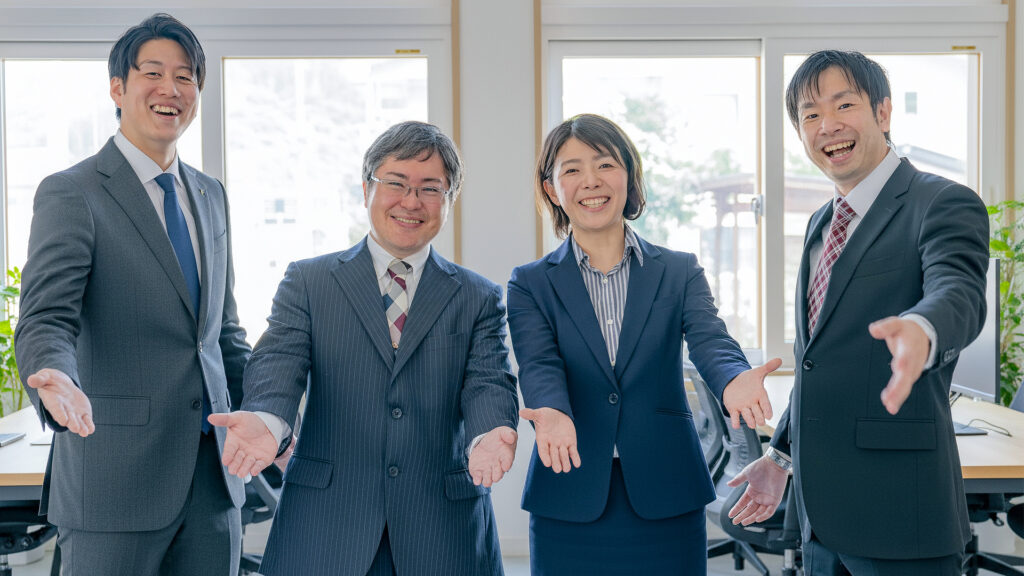
To Vietnamese engineers aiming to work in Japan, I want to say that “it’s normal to feel anxious.” What matters most is having the right information and choosing an environment that suits you.
Choosing the right company, support systems, and Japanese language learning—your career in Japan can change dramatically depending on how well you prepare. In particular, choosing an environment that offers support ranging from visa assistance to resume preparation directly impacts how smoothly you’ll be able to work after arriving in Japan.
AsianTech.Link is a job and career transition platform for Vietnamese and Asian engineers, operated by the FOIS Group, which has 35 years of experience in Japan and 15 years in Vietnam.
It’s completely free from registration to hiring. Using AI matching, we’ll introduce you to projects that match your skills in as little as five days. We also offer comprehensive support for visa renewals and job transition procedures, allowing you to take your first steps in Japan with peace of mind.
Start by registering your profile for free and exploring projects that suit you. Choosing to work in Japan could be the step that propels your engineering career forward.
Author Profile

- IT Manager
- An IT manager in my seventh year living in Vietnam. In addition to overseeing IT operations, I’m also involved in managing local staff and sales. I share stories about the realities of working abroad, insights gained from living in a different culture, and lessons learned from my mistakes—all in a relaxed and easy-to-understand style. My hobbies include visiting cafes, trying new foods, reading, and walking.
Latest Posts
 Utilizing AsianTech.LinkApril 20, 2026What Hiring Managers Really Think! What Are Japanese Companies Looking for in Foreign Engineers During Interviews?
 Recruitment and InterviewsApril 20, 2026What’s it really like to work as an engineer in Japan? An honest account from a Vietnamese engineer in his third year in Japan
 Recruitment and InterviewsApril 20, 2026[Essential Guide] What They’re Really Looking For in Japanese Engineering Interviews!
Related Articles
-
2026.04.20
[Essential Guide] What They’re Really Looking For in Japanese Engineering Interviews!
- Recruitment and Interviews
- Utilizing AsianTech.Link
-
2026.04.20
What Hiring Managers Really Think! What Are Japanese Companies Looking for in Foreign Engineers During Interviews?
- Utilizing AsianTech.Link
-
2026.06.05
Why Your Evaluation Is Determined Within Your First 90 Days of Working in Japan—Key Points for Foreign Engineers to Keep in Mind
- Utilizing AsianTech.Link