
What Hiring Managers Really Think! What Are Japanese Companies Looking for in Foreign Engineers During Interviews?
- 2026.04.20
- Utilizing AsianTech.Link
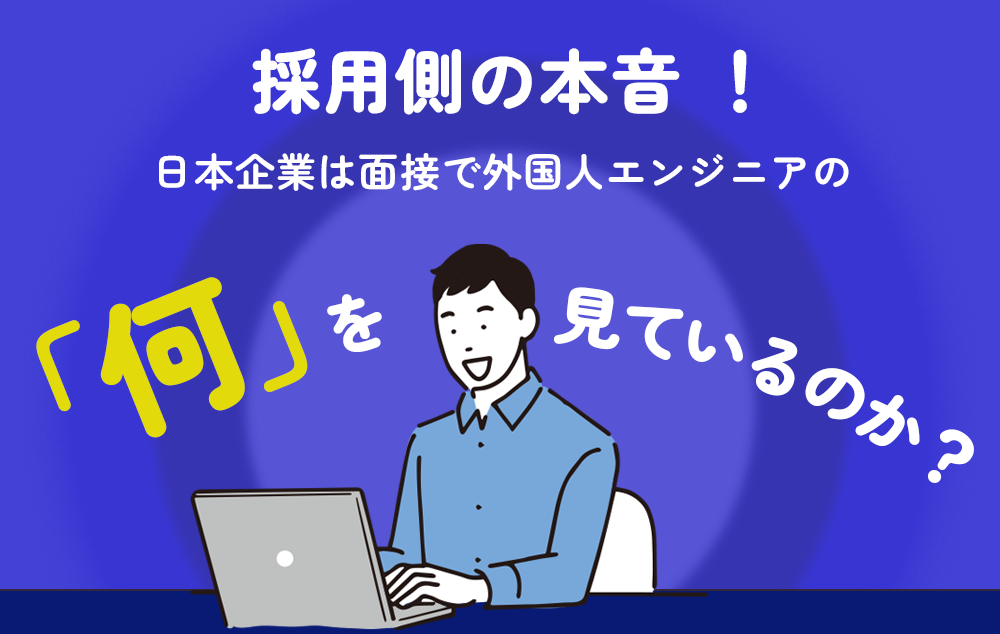
Do you think that having technical skills is enough to get hired?
In reality, that alone may not be enough during interviews at Japanese companies. Engineers who fail interviews despite being able to write code share certain common traits. Conversely, engineers who secure job offers even without exceptional skills also share certain common traits.
In this article, we’ll honestly share what recruiters are really looking for during interviews.
Companies are looking for people they can work with, rather than just those who are talented

When Japanese companies interview foreign engineers, the most important factor for them isn’t whether the candidate is talented.
What the interviewers are really thinking is this:
“Can I work with this person as part of a team?”
“Can I trust them to handle the work?”
When hiring engineers from overseas—including Vietnam—companies understand from the outset that there will be differences in language and culture. With that in mind, they place a strong emphasis not only on technical skills but also on work ethic and communication skills.
Rather than seeking short-term, ready-to-work candidates, companies are looking for talent with whom they can grow together over the long term.
The “anxiety” the interviewer feels deep down

What interviewers are most concerned about—even more than whether a candidate has the necessary technical skills—is this.
- Are the instructions being conveyed correctly?
- Are you leaving things you don’t understand unresolved?
- If a problem arises, will you talk to me about it?
Japanese companies fear “failure going unreported” more than failure itself.
Whether or not you understand this can make a big difference in the impression you make during an interview.
5 Things Employers Look For

Does the technical capability meet the minimum requirements?

Companies aren’t necessarily looking for top-tier technology.
This is what I’m looking for.
- Possess the minimum skills required to work independently
- The ability to read and understand documentation and existing code
- If there’s something you don’t understand, you can look it up yourself
The key factor in our evaluation is not “outstanding technical skills” but rather “whether we can rely on them consistently.”
The ability to explain and verify is just as important as technical skill

One aspect that is particularly emphasized in interviews at Japanese companies is “how you explain things.”
Rather than using a lot of technical jargon, what matters most is whether you can adapt your explanation to the listener’s level of understanding.
Additionally, candidates who ask, “May I confirm the premise of that question?” when faced with an ambiguous question are highly regarded. This is because recruiters can conclude that “misunderstandings are unlikely to arise with this person.”
Interviewers are imagining how you would handle a mistake
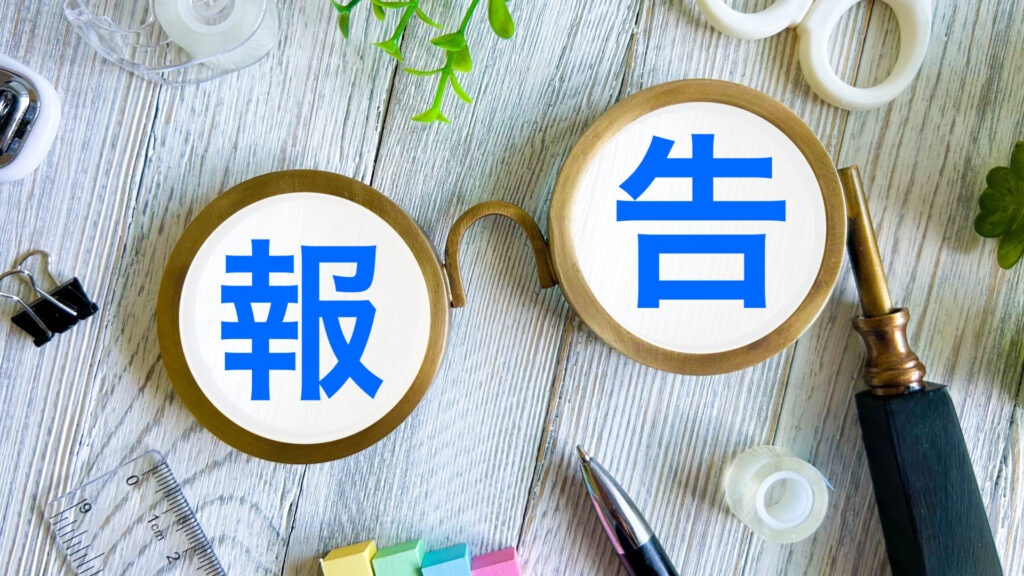
The interviewer is definitely thinking this to themselves.
“What would happen if this person made a mistake?”
Are they the type to hide their mistakes, or the type to report them right away and seek advice?
That’s exactly why people often ask about past failures.
People who can calmly explain how they recovered from a failure tend to be trusted. In most cases, being honest won’t work against you.
Whether someone intends to stay with the company for the long term is reflected in their words

Companies are concerned about whether foreign engineers will leave their jobs soon.
If a candidate’s reasons for wanting to work in Japan are vague, or if they focus solely on salary and benefits, this will heighten the recruiter’s concerns.
On the other hand, candidates who can discuss these matters are viewed as likely to settle in and stay for the long term.
- Skills to Learn in Japan
- What kind of engineer do you want to become in the future?
- How do you want to contribute to the team?
Are you making an effort to respect Japanese culture and work practices?

Japanese companies do not expect foreign engineers to “become Japanese.”
However, they do value a willingness to respect Japanese work styles and values.
- Meet deadlines
- Committed to quality
- Work as part of a team
Simply conveying that you are “trying to understand” these points can make a big difference in how at ease the interviewer feels.
What companies are really looking for is a “trustworthy partner”

For Japanese companies, hiring foreign engineers presents both risks and opportunities.
That is precisely why, during interviews, they carefully assess whether it is safe to assign this person to the field.
Even if someone has strong technical skills, they will not be selected if they cannot explain their work, do not consult with others, or fail to keep their promises.
Conversely, even if their skills are somewhat lacking, those who are sincere, eager to learn, and capable of reporting, consulting, and communicating effectively are highly valued.
Companies are not looking for perfect engineers, but rather for trustworthy individuals.
Summary: For Job Seekers
Job interviews at Japanese companies are not a “test” for you.
They are an opportunity for both sides to determine whether you are a good fit for the company.
Instead of just highlighting your technical skills, try to express these points in your conversation.
- How I Approach My Work
- What to do when you don’t understand
- How do you want to contribute to the team?
That is the fastest way to get hired as an engineer in Japan.
I imagine that job hunting in Japan can be quite daunting due to the lack of information. However, if you prepare properly, opportunities are sure to arise.
Let’s work together to figure out how to best convey your strengths.
Author Profile

- IT Manager
- An IT manager in my seventh year living in Vietnam. In addition to overseeing IT operations, I’m also involved in managing local staff and sales. I share stories about the realities of working abroad, insights gained from living in a different culture, and lessons learned from my mistakes—all in a relaxed and easy-to-understand style. My hobbies include visiting cafes, trying new foods, reading, and walking.
Latest Posts
 Utilizing AsianTech.LinkApril 20, 2026What Hiring Managers Really Think! What Are Japanese Companies Looking for in Foreign Engineers During Interviews?
 Recruitment and InterviewsApril 20, 2026What’s it really like to work as an engineer in Japan? An honest account from a Vietnamese engineer in his third year in Japan
 Recruitment and InterviewsApril 20, 2026[Essential Guide] What They’re Really Looking For in Japanese Engineering Interviews!
Related Articles
-

2026.04.20
[Essential Guide] What They’re Really Looking For in Japanese Engineering Interviews!
- Recruitment and Interviews
- Utilizing AsianTech.Link
-
2026.04.20
What’s it really like to work as an engineer in Japan? An honest account from a Vietnamese engineer in his third year in Japan
- Recruitment and Interviews
- Utilizing AsianTech.Link
-

2026.06.05
Why Your Evaluation Is Determined Within Your First 90 Days of Working in Japan—Key Points for Foreign Engineers to Keep in Mind
- Utilizing AsianTech.Link